Who Should Do Your Braces?
Do I really need to see an orthodontist, or can a general dentist do my braces?
With more dental clinics now offering braces and aligners, many patients ask the same question: The answer depends on the complexity of your case, your treatment goals, and the level of expertise required.

What Is an Orthodontic Specialist?
Orthodontics is a specialised branch of dentistry focused on:
- Teeth alignment
- Bite correction
- Jaw development
- Facial balance
After completing dental school, an Orthodontic Specialist undergoes an additional 3–4 years of advanced postgraduate training in orthodontics and dentofacial orthopaedics at accredited universities.
This specialised training focuses on:
- Tooth movement mechanics
- Jaw growth and development
- Complex bite correction
- Treatment planning for difficult cases
- Orthognathic (jaw) surgery cases
In Malaysia, Orthodontic Specialists must also be officially registered with the Malaysian Dental Council (MDC) as recognised specialists.
Understanding the Need for Treatment
Can General Dentists Provide Braces Treatment?
Yes — many general dentists today provide braces and clear aligner treatments.
As demand for orthodontic treatment continues to grow, this has made braces more accessible and convenient for the public.
General dentists often manage:
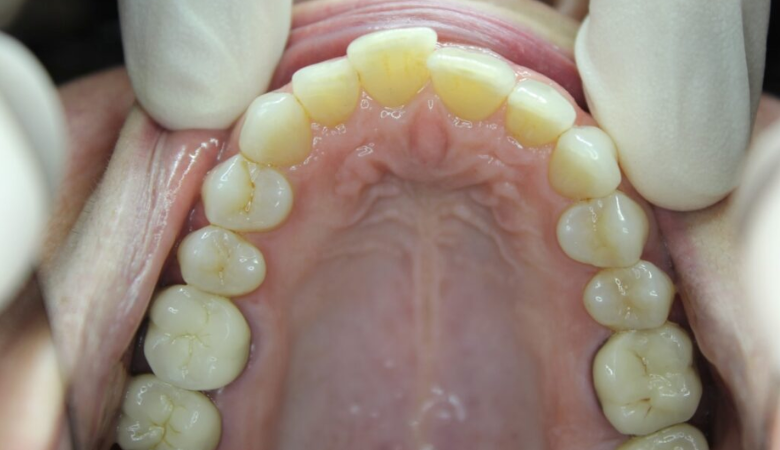
Mild crowding

Minor spacing issues

Simple alignement cases
Many dentists also attend additional orthodontic courses and training to expand their skills.
However, orthodontic training pathways outside of specialist programmes can vary greatly in depth and duration. As a result, clinical experience and case exposure may differ between practitioners.
When Should You Consider Seeing an Orthodontist?
While many mild cases can be treated successfully by general dentists,
more complex cases may benefit from specialist care.
Severe Crowding
Overbite or underbite
Impacted Teeth
Your content goes here. Edit or remove this text inline or in the module Content settings. You can also style every aspect of this content in the module Design settings and even apply custom CSS to this text in the module Advanced settings.
Jaw discrepancies
Facial asymmetry
Cases requiring tooth extractions
Surgical orthodontic cases
Orthodontists are trained to identify biological limitations, jaw-related concerns, and complex bite issues that may require more advanced treatment planning.
What Is the Difference in Clinical Experience?
General dentists provide comprehensive dental care such as:
- Scaling and polishing
- Fillings
- Crowns
- Implants
- General oral care
- Basic orthodontic treatment
Orthodontists, however, focus exclusively on orthodontic treatment every day.
Because of this dedicated focus, orthodontists often develop:
- Greater experience managing complex bite problems
- More detailed orthodontic diagnosis
- Higher exposure to difficult cases
- Advanced treatment planning skills
This can be particularly important for patients with more complicated orthodontic concerns.
So, Who Should You Choose?
There is no one-size-fits-all answer.
A general dentist may be suitable for simpler cases, while an Orthodontic Specialist may be the better option for more complex bite or jaw-related problems.
The most important thing is to choose a provider who:
- Clearly explains your condition
- Discusses realistic treatment expectations
- Prioritises long-term oral health and stability
- Has the appropriate experience for your case
Final Thoughts
Braces treatment is more than just straightening teeth — it involves balancing function, aesthetics, and long-term oral health.
Whether you choose a general dentist or an orthodontic specialist, understanding the expertise behind your treatment helps you make a more informed and confident decision.
If you are unsure about the complexity of your case, scheduling a consultation with an Orthodontic Specialist can help you better understand your treatment options.