Discover the Future of Orthodontics
Revolutionizing Smiles with Self-Ligating Braces
Explore the cutting-edge advancements in orthodontic technology with self-ligating braces, designed to enhance comfort and efficiency in tooth alignment.
Transform Your Smile with Innovative Braces
The Evolution of Orthodontic Braces
Self-ligating braces represent a significant breakthrough in orthodontic treatment, offering a modern alternative to traditional braces. These advanced systems are engineered to improve patient comfort and streamline the process of tooth alignment.
Unlike conventional braces, self-ligating systems do not require elastic ties, which can reduce friction and potentially enhance the efficiency of tooth movement. This innovation marks a pivotal shift in how orthodontic care is delivered.
With various options available, including popular brands like Damon™ and Empower®, self-ligating braces cater to diverse patient needs, providing both aesthetic and functional benefits.
Understanding Orthodontic Appliances
The Mechanics of Tooth Movement
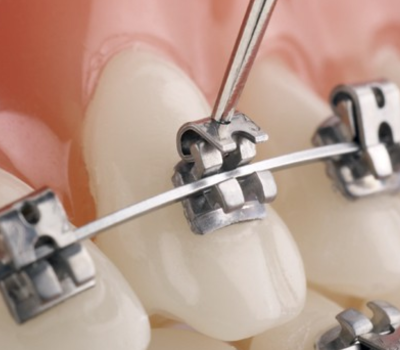
Orthodontic appliances are essential tools in the correction of dental alignment. They work by applying continuous pressure over time to move teeth into desired positions. The primary components include brackets, which are bonded to the teeth, and archwires that guide the movement.
Components of Braces
Understanding Brackets and Archwires
Braces are a fundamental tool in orthodontics, designed to guide teeth into their correct positions. They consist of two main components: brackets and archwires. Brackets are small, square-shaped pieces bonded directly onto the surface of each tooth. These brackets serve as anchors for the archwires, which are thin metal wires threaded through the brackets. The archwires apply continuous pressure to the teeth, gradually moving them into the desired alignment. Together, brackets and archwires work in harmony to achieve precise tooth movement, ensuring a beautiful and functional smile.
Types of Braces
Exploring Material and Design Variations
Braces have evolved significantly over the years, offering a variety of options to suit different needs and preferences. In terms of material, patients can choose between traditional metal brackets, known for their durability, and ceramic brackets, which are tooth-colored and offer a more discreet appearance. Design-wise, braces are categorized into conventional and self-ligating systems. Conventional braces use elastic or metal ties to secure the archwire, while self-ligating braces feature a built-in mechanism that eliminates the need for ties. Each type has its own advantages, allowing patients to select the option that best fits their lifestyle and orthodontic requirements.
Conventional vs. Self-Ligating Braces
Key Differences and Patient Considerations
When choosing between conventional and self-ligating braces, it’s important to understand their distinct features and how they impact the orthodontic experience. Conventional braces rely on elastic or metal ligatures to hold the archwire in place, which can increase friction and potentially slow down tooth movement. In contrast, self-ligating braces use a sliding mechanism that reduces friction, allowing for smoother and potentially faster tooth movement. While self-ligating braces may offer shorter appointment times and easier maintenance, the overall success of treatment depends more on the orthodontist’s expertise than the type of braces used. Patients should consider their personal preferences and consult with their orthodontist to make an informed decision.
Marketing Claims vs. Clinical Reality
Understanding the Truth Behind Self-Ligating Braces
In the world of orthodontics, self-ligating braces are often marketed with promises of faster treatment times, reduced need for extractions, and less discomfort. However, it’s essential to approach these claims with a discerning eye. While self-ligating braces do offer certain advantages, such as quicker appointments and potentially improved oral hygiene, the more extravagant claims should be met with skepticism. The reality is that treatment duration, the necessity for extractions, and the level of discomfort experienced by patients are largely determined by the complexity of the individual case and the orthodontist’s expertise. Therefore, while self-ligating braces can be a valuable tool, they are not a one-size-fits-all solution.
Beyond Braces: Key Factors for Success
Achieving Optimal Orthodontic Outcomes
Successful orthodontic treatment hinges on more than just the type of braces used. The cornerstone of effective treatment lies in a comprehensive clinical diagnosis, meticulous treatment planning, and precise execution by the orthodontist. These elements are crucial in ensuring that the desired results are achieved, regardless of the bracket system employed. The basic biomechanics of tooth movement remain consistent across different types of braces, emphasizing the importance of the orthodontist’s skill and experience. Patients should prioritize selecting a qualified orthodontist who can tailor the treatment plan to their specific needs, ensuring the best possible outcome.
Exploring Self-Ligating Braces
The Role of Expertise in Bracket Selection
The market for self-ligating braces is diverse, offering a range of systems such as Damon™, Empower®, and BioQuick®. Each of these systems boasts unique design features aimed at enhancing treatment efficiency and reliability. However, it’s important to note that no single system is inherently superior in terms of clinical outcomes. The choice of bracket system is often influenced by the orthodontist’s clinical experience, familiarity, and personal preference. Ultimately, the orthodontist’s expertise in diagnosis, treatment planning, and execution plays a far more critical role in achieving successful results than the specific brand of self-ligating brackets used. Patients should trust their orthodontist’s professional judgment when it comes to bracket selection, as their skill and experience are paramount to the success of the treatment.
When considering self-ligating braces, it’s essential to understand the variations available and the importance of the orthodontist’s role in selecting the appropriate system. While each brand offers distinct features, the true measure of success lies in the orthodontist’s ability to apply their knowledge and experience to the treatment process. Patients should feel confident in their orthodontist’s ability to choose the right tools for their specific needs, ensuring a personalized and effective treatment journey.
Discover Your Perfect Smile Solution
Unlock the potential of your smile by consulting with your orthodontist. Personalized advice is key to finding the best braces for your unique needs. Whether considering self-ligating or conventional braces, expert guidance ensures optimal results. Book your appointment today and take the first step towards a confident smile!